Silica is an inorganic compound and one of the most vital compounds of silicon. It exists in nature in crystalline types (such as quartz, cristobalite, chalcedony, agate, opal, etc) and non-crystalline particulate, irregular or bumpy types. Silica is insoluble in water and does not react with water, but it can respond with antacids to form silicate and water. On top of that, silica likewise has a high melting point, firmness, and chemical stability, that makes it commonly made use of in many fields.
In industrial manufacturing, silica is mostly used to make glass, water glass, ceramic, enamel, refractory products, airgel felt, ferrosilicon molding sand, important silicon, cement, and so on. Additionally, people additionally make use of silica to make the shaft surface and carcass of porcelain.
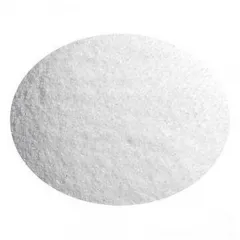
(Fused Silica Powder Fused Quartz Powder Fused SiO2 Powder)
Ultrafine grinding of silica can be accomplished in a selection of ways, consisting of completely dry round milling using a planetary ball mill or damp upright milling. Worldly sphere mills can be geared up with agate sphere mills and grinding spheres. The dry sphere mill can grind the average fragment size D50 of silica material to 3.786. In addition, wet vertical grinding is among the most effective grinding approaches. Since silica does not react with water, wet grinding can be executed by adding ultrapure water. The wet vertical mill equipment “Cell Mill” is a new type of grinder that integrates gravity and fluidization innovation. The ultra-fine grinding technology composed of gravity and fluidization totally mixes the products via the rotation of the stirring shaft. It clashes and calls with the tool, leading to shearing and extrusion to ensure that the product can be effectively ground. The mean fragment dimension D50 of the ground silica product can get to 1.422 um, and some particles can reach the micro-nano level.
Supplier of silicon monoxide and silicon sulphide
TRUNNANO is a supplier of surfactant with over 12 years experience in nano-building energy conservation and nanotechnology development. It accepts payment via Credit Card, T/T, West Union and Paypal. Trunnano will ship the goods to customers overseas through FedEx, DHL, by air, or by sea. If you want to know more about silicon thermal oxidation, please feel free to contact us and send an inquiry.
Inquiry us